
Mobile Phone (PartTerminologyID 1322): Why an Auto Parts Database Has a Phone Category, and What Catalog Teams Need to Know
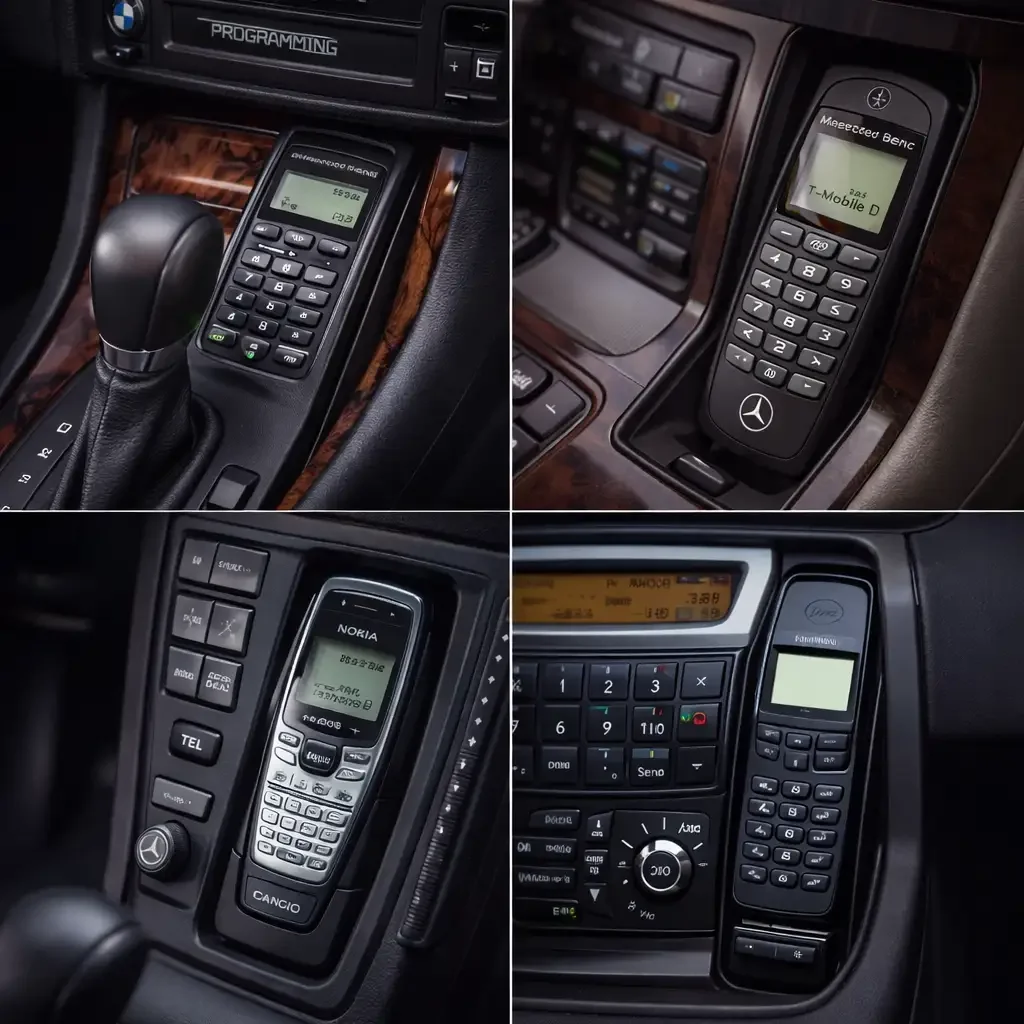
Mobile Phone is one of the strangest part names in the aftermarket catalog ecosystem. It sits in PCdb under Entertainment and Telecommunications, Telematics Systems and Navigation. Most catalog teams scroll past it. Most sellers ignore it. But it exists for a reason, and understanding why it is there helps explain how the aftermarket data structure handles products that blur the line between vehicle accessory and consumer electronics.
PartTerminologyID 1322 does not refer to the smartphone in your pocket. It refers to vehicle-integrated mobile phone systems, factory-installed telematics hardware, and the accessories and modules that connect mobile phone functionality to the vehicle's electrical and audio systems. This is a legacy category with roots in the era when "car phone" was a distinct product, but it still has catalog relevance today because vehicle-integrated phone modules, Bluetooth interfaces, and telematics hardware continue to exist as vehicle-specific parts.
This post is built for aftermarket catalog teams, marketplace sellers, and buyers who want to understand what this category covers and how to manage it without creating confusion.
Status in New Databases
Status in New Databases
Current: PIES 7.2 + PCdb Future: PIES 8.0 + PCdb 2.0 Status: No change
What Mobile Phone Means in the Aftermarket
Mobile Phone in the aftermarket context does not mean a standalone consumer smartphone. It refers to vehicle-integrated phone systems and related hardware. In catalog reality, this covers:
Factory-installed car phone modules (legacy systems from the 1990s and 2000s, hardwired into the vehicle)
OEM Bluetooth phone interface modules (vehicle-specific modules that enable hands-free calling through the factory audio system)
OEM telematics control units (OnStar, mbrace, Volvo On Call, BMW Assist, etc.) that provide cellular connectivity for the vehicle
Cradle and docking systems for specific phone models (BMW Snap-In adapters, Mercedes phone cradles, etc.)
Aftermarket Bluetooth integration modules that add hands-free calling to older vehicles
SIM card-based connectivity modules for factory-installed WiFi hotspots and connected services
Replacement antennas for vehicle-integrated phone and telematics systems
The reason this PartTerminologyID exists in PCdb is historical. When the database structure was built and expanded, vehicle-integrated phone systems were common factory equipment, especially in luxury vehicles. A BMW 7 Series from 2004 might have a factory phone module with a specific cradle for a Nokia or Motorola handset. That module was a vehicle-specific part with ACES fitment data, a unique part number, and replacement demand in the aftermarket. The category captured that product type.
Today, the category has evolved. Standalone car phones are gone. But vehicle-integrated Bluetooth modules, telematics control units, and connectivity hardware remain vehicle-specific parts that need to be cataloged somewhere. PartTerminologyID 1322 is where they live.
Why This Category Creates Catalog Confusion
The name itself is misleading
"Mobile Phone" as a part name in an automotive database causes immediate confusion. Catalog teams see the name and assume it refers to consumer smartphones. Marketplace sellers may incorrectly list phone accessories (cases, chargers, screen protectors) under this PartTerminologyID. Buyers searching for phone-related products in an auto parts context may find vehicle-specific Bluetooth modules they do not understand.
The name made perfect sense in 1998 when a "mobile phone" was something permanently installed in your car. It is confusing in 2026 when "mobile phone" means a device you carry in your pocket.
Legacy products with no current demand
Many products that historically fell under this PartTerminologyID are obsolete. Factory car phone cradles for Nokia 6310 or Motorola StarTAC handsets have no meaningful aftermarket demand. Catalog teams inheriting older data may find these SKUs still active and cluttering their catalog without generating any sales.
Modern products that belong here but do not look like "phones"
Conversely, modern products like OEM Bluetooth control modules, telematics units, and cellular antenna assemblies are legitimate vehicle-specific parts with real replacement demand, but they do not look or feel like "mobile phone" products. A Volvo On Call telematics module or a BMW Combox is a vehicle-specific electronic module that happens to provide cellular connectivity. It is a legitimate aftermarket part, but its association with the "Mobile Phone" category can cause it to be miscategorized, overlooked, or poorly described.
Overlap with other PartTerminologyIDs
Products in this space can overlap with Antenna (PartTerminologyID varies), Bluetooth Module, Navigation System, and Telematics Module categories depending on how the catalog is structured. Without clear boundaries, the same product can end up in multiple categories or in the wrong one entirely.
What Actually Sells in This Category Today
For catalog teams evaluating whether to invest time in PartTerminologyID 1322, here is what realistically generates aftermarket activity:
OEM Bluetooth and phone interface modules. When a factory Bluetooth module fails in a 2012 Mercedes-Benz or a 2015 BMW, the replacement part is vehicle-specific with ACES fitment data. These modules are not cheap, and buyers searching for them need exact-match parts.
Telematics control units. OnStar modules in GM vehicles, mbrace units in Mercedes, Volvo On Call modules, BMW ConnectedDrive/Combox units. When these fail, the replacement is a vehicle-specific electronic module. Some require dealer programming after installation.
Cellular and telematics antennas. The shark fin or roof-mounted antenna on modern vehicles often integrates cellular, GPS, satellite radio, and WiFi functions. Replacement antennas are vehicle-specific and can be cataloged here or under Antenna depending on taxonomy decisions.
Aftermarket Bluetooth integration kits. Products like the Kufatec, Bovee, or Connects2 Bluetooth interfaces that add hands-free calling to older factory audio systems. These are often vehicle-specific or vehicle-family-specific.
Phone cradle and docking adapters. BMW Snap-In adapters, Mercedes cradle inserts, and similar OEM accessories that hold a specific phone model in a vehicle-specific dock. These are increasingly obsolete as phone models change faster than vehicle lifecycles, but replacement demand exists in the used and collector market.
Compatibility Checklist for Buyers
1) Confirm the product type. OEM Bluetooth module, telematics control unit, antenna, aftermarket Bluetooth integration kit, or phone cradle. These are very different products.
2) Confirm exact vehicle fitment. These are vehicle-specific electronic modules. Year, make, model, submodel, trim level, and factory equipment package all matter. A Bluetooth module from a 2014 model may not be compatible with a 2016 model of the same vehicle.
3) Confirm factory system compatibility. Bluetooth modules and telematics units must be compatible with the vehicle's head unit, body control module, and software version. Some require dealer-level programming or coding after installation.
4) For phone cradles, confirm phone model compatibility. OEM phone cradles are designed for specific phone models (iPhone 6, Galaxy S5, etc.). They do not adapt to newer phone models. Confirm the cradle matches both your vehicle and your phone.
5) Confirm programming requirements. Many OEM Bluetooth and telematics modules require dealer or specialist coding to activate after installation. If the listing does not mention this, the buyer may install the part and find it non-functional until programmed.
6) Check what is included. Module only, or module with wiring harness and antenna. Some replacements require the original wiring harness to be reused.
Catalog Checklist for Attributes
Core taxonomy: Product form (Bluetooth module, telematics unit, antenna, phone cradle, integration kit). Separate from consumer phone accessories (cases, chargers, mounts) which do not belong under this PartTerminologyID.
Fitment: Year, make, model, submodel, trim level, factory audio/telematics system type, head unit compatibility, software version compatibility where applicable.
Electrical: Operating voltage, connector type, antenna connection type, CAN bus compatibility.
Programming: Dealer programming required yes or no. Aftermarket coding tool compatible yes or no.
Package contents: Module, wiring harness, antenna cable, mounting hardware, installation instructions.
Images: Module front and rear, connector detail, installed location in vehicle, package contents.
FAQ
Does PartTerminologyID 1322 refer to smartphones?
No. It refers to vehicle-integrated mobile phone systems, Bluetooth modules, telematics control units, and related vehicle-specific hardware. It does not cover consumer smartphones or generic phone accessories.
Are products in this category vehicle-specific?
Most are. OEM Bluetooth modules, telematics units, and phone cradles are designed for specific vehicles and require exact-match fitment. Aftermarket Bluetooth integration kits may cover vehicle families rather than individual models.
Do replacement Bluetooth or telematics modules require programming?
Often yes. Many OEM modules require dealer-level or specialist coding to activate on the vehicle's network after installation. Always confirm programming requirements before ordering.
Is this category still relevant?
Yes, though its scope has shifted. Factory car phones are obsolete, but OEM Bluetooth modules, telematics control units, and cellular antennas remain active replacement parts with real aftermarket demand, especially as connected vehicle features become standard equipment.
Final Take for Aftermarket Teams
Mobile Phone (PartTerminologyID 1322) is a legacy category name that still holds relevant products. The name causes confusion because it sounds like consumer electronics, but the actual products are vehicle-specific electronic modules with real ACES fitment requirements. Catalog teams should clean out obsolete phone cradle SKUs, properly categorize modern Bluetooth and telematics modules, ensure these products are not confused with consumer phone accessories, and note programming requirements clearly in every listing. The category is small but the parts are expensive, vehicle-specific, and frequently require dealer programming. Getting the listing right prevents costly returns on high-value electronic modules.