
We Built Our First Bundle With Packing Tape
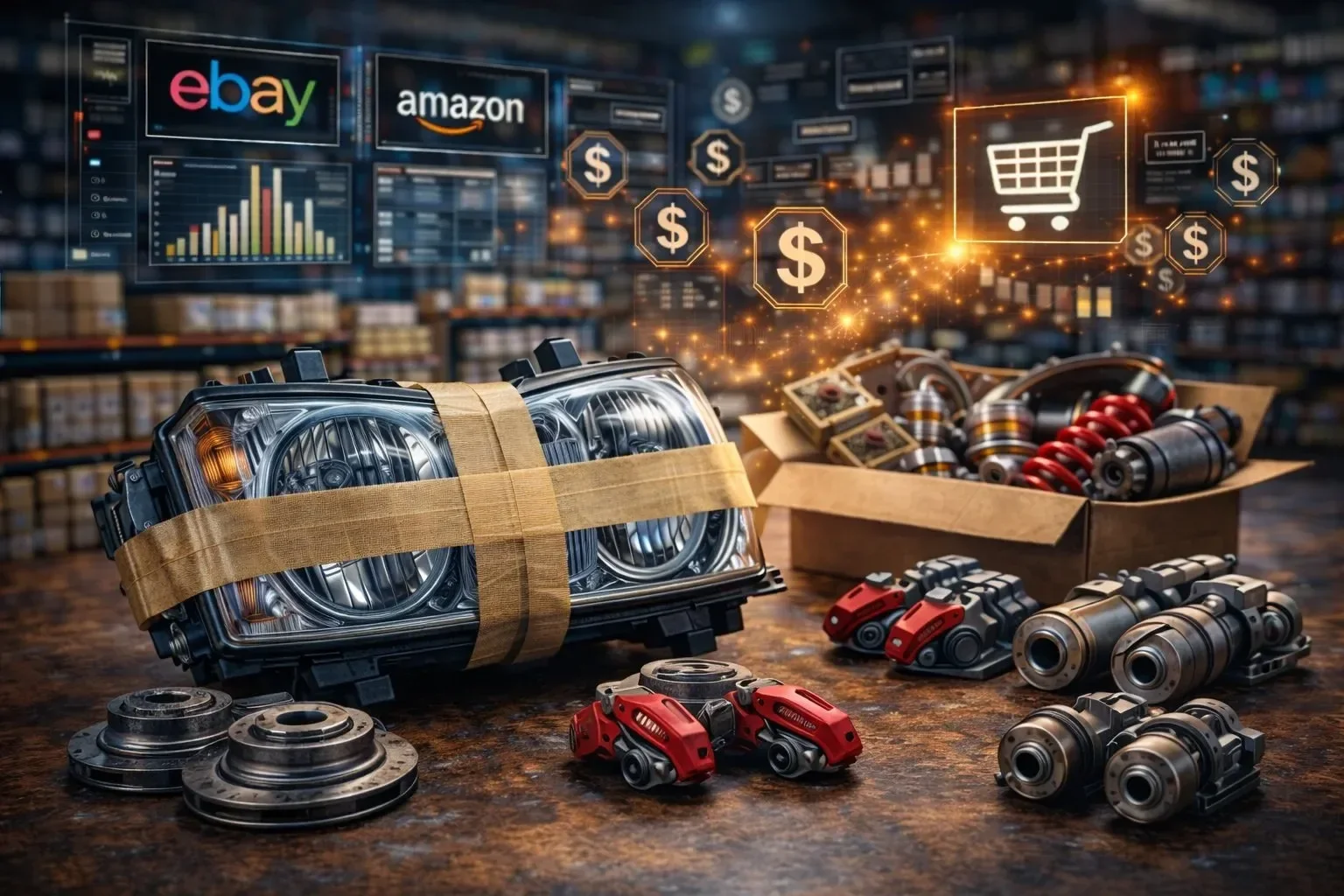
About 15 years ago, we tried to launch our first “bundle” on eBay-before we had the warehouse processes, software support, or operational maturity to do it cleanly.
The product was simple: a set of two headlights.
The execution was not.
We didn’t have a system that understood a bundle as a real SKU. No WMS logic for set building. No receiving workflow for kits. No pick/pack rules. No clean return process. Nothing that treated “two singles become one sellable set” as a first-class concept.
So we did what operators do when the business needs progress faster than the tooling can deliver:
We taped two headlights together to create a “set of 2.”
Then we manually adjusted inventory so we wouldn’t oversell singles after shipping a set.
And we launched the bundle to eBay.
It worked-until it didn’t.
I was working closely with a colleague at the time who’s now the CEO of a large organization. We both learned early that bundles aren’t a merchandising idea. They’re an inventory and operations system.
What Broke Immediately
1) Inventory accuracy became fragile
Every time we sold a “set,” someone had to:
physically combine two singles
make sure both sides were correct
manually reduce the inventory of the single SKUs
The first operational truth we ran into was brutal:
Bundles multiply inventory failure modes.
If your system doesn’t automatically decrement components, you’re living on human discipline-and humans miss things under volume.
2) Picking and packing had no concept of “together”
In the warehouse, a bundle changes everything:
pick logic (two locations, two parts, one order)
pack logic (one carton vs two, protection, labeling)
ship logic (weight/dims, damage risk, carrier claims)
But our tools still thought we were shipping a single item. So we had:
wrong picks (left-left instead of left-right)
incomplete shipments (only one headlight made it)
packaging that wasn’t designed for two fragile pieces taped together
3) Returns created edge cases nobody owned
This was the hardest part.
What happens when:
the customer claims one side is damaged
or they return only one headlight
or they ship back the set but one unit is missing
or the carrier damages a component in transit
When your systems don’t support bundles, every one of those scenarios becomes a debate:
Do we refund partial? How much?
Do we restock singles or hold for “set completion”?
What do you do with an orphan unit?
How do you track “bundle integrity” through the return process?
At the time, we didn’t have clean answers-because we didn’t have software or process support built for it.
We had volume pressure, customer expectations, and a marketplace that doesn’t care how immature your back-end is.
The Part Nobody Talks About: Demand Splits and Ordering Gets Complicated
Once the bundle started selling, we ran into a second-order problem that wasn’t obvious on day one:
Demand didn’t disappear - it split.
Now we had:
demand for the single SKU
demand for the bundle SKU
and demand shifting back and forth depending on price, promotions, seasonality, and marketplace placement
In some categories, singles were still the majority. But for other SKUs, we learned something important:
The bundle didn’t just convert better - it became the primary way customers wanted to buy.
As we kept iterating, we found that certain parts consistently sold better as a set:
headlights
tail lights
mirrors
Brake Rotors/Discs
Oxygen (O2) Sensors
Control Arms
anything naturally purchased in pairs
For those SKUs, the bundle eventually became the primary purchase path-and in many cases, bundles outperformed singles by a wide margin.
That wasn’t just a merchandising win. It changed the economics.
The shipping savings were real
When customers bought two singles separately, we often ended up with:
two picks
two cartons
higher outbound shipping cost
higher damage risk
more customer service issues
But when they bought a bundle:
one order
one shipment
one tracking number
fewer touches
fewer opportunities for something to go wrong
At scale, that translated into real outbound shipping savings, not just nicer reporting.
Forecasting was the hidden challenge
The hard part was forecasting and ordering. Because if you only forecast singles, you under-buy bundles. If you only forecast bundles, you starve the single listings and create cancellations.
So we had to evolve our thinking:
Singles and bundles weren’t two products - they were two demand paths to the same underlying components.
We started tracking:
total “component demand” (units)
what % of demand came through bundles vs singles
how that ratio changed over time
Eventually, for certain items, we stopped treating the bundle as an “extra listing” and started treating it as the primary product.
That meant:
building demand plans where bundles were first-class
setting reorder points based on bundle-driven velocity
and in some cases, ordering/receiving as bundle-ready so the warehouse didn’t have to build sets under pressure
Because we learned the lesson the hard way:
If the bundle becomes the dominant sales motion, your ordering and receiving strategy has to follow.
At first we were taping products together just to get live. Later, we were designing inventory flow so the bundle could scale profitably.
The Lesson We Learned Early
Bundles aren’t a merchandising idea. They’re an operations and data system.
You can sell a bundle with a listing.
But you can’t scale bundles without:
component-level inventory logic
pick/pack rules that treat sets as a unit
return workflows for partials/damage claims
clear policies that protect margin while staying customer-friendly
Want to launch bundles the right way?
If you’re selling sets/kits (or planning to), I can do a free quick review of your bundle readiness-inventory logic, pick/pack workflow, returns edge cases, and marketplace setup. Contact me with your store link and top bundle categories, and I’ll share the highest-impact fixes.