
Nissan Sentra B17 (2013 to 2019) Parts Fitment Guide
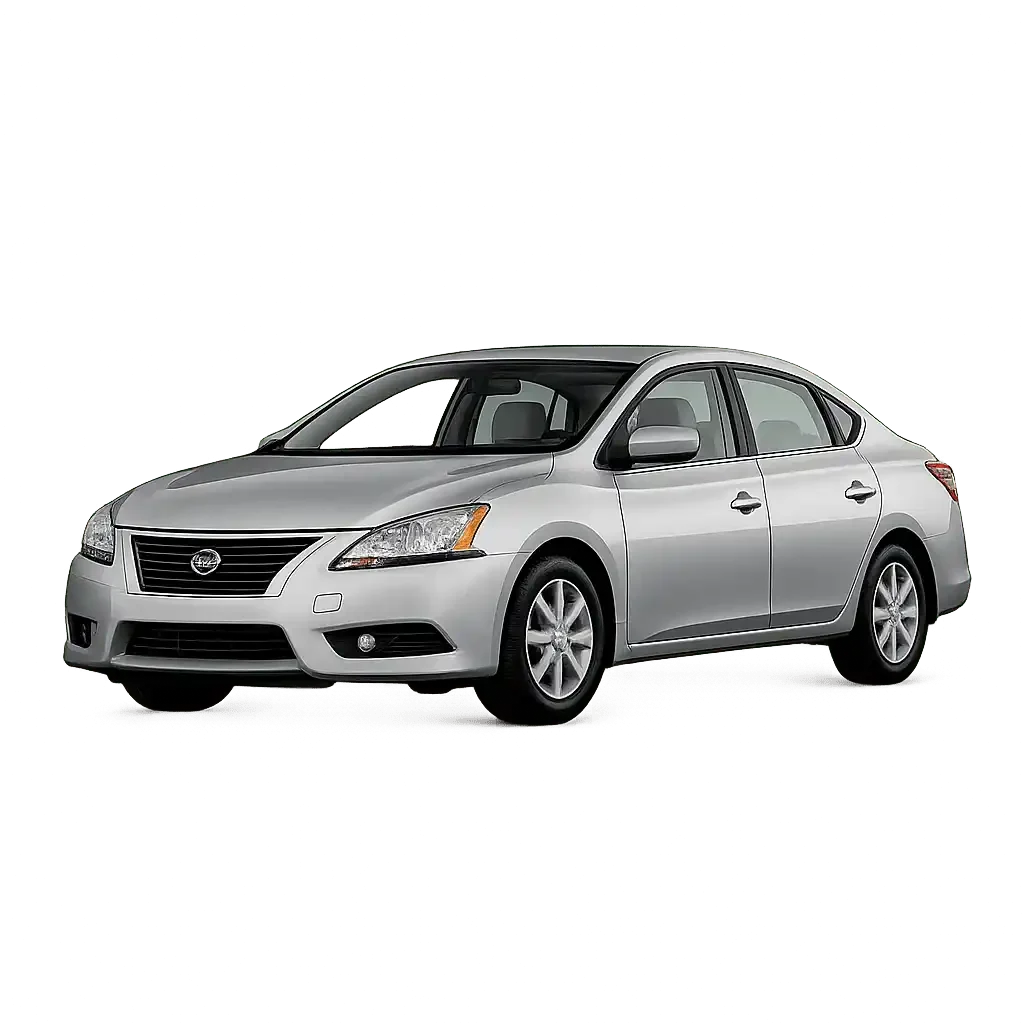
The B17 Sentra
is where fitment mistakes start looking “small” but get expensive fast. A headlight that is off by one mounting tab, a bumper that is missing sensor holes, a mirror that does not match the connector, those are the kinds of problems that create returns, bad reviews, and wasted labor.
This guide is only for Nissan Sentra B17, model years 2013 to 2019. The goal is simple: split the vehicle the right way before you list parts or click buy.
Why B17 returns happen more than people expect
B17 has three patterns that cause most wrong orders:
People treat 2013 to 2019 as one universal bucket for exterior parts
People ignore trim level appearance packages and lighting technology differences
People forget that performance trims and turbo trims change underhood parts, cooling, exhaust, and sometimes suspension and brakes
If you build your fitment logic around those three patterns, you prevent most of the pain.
The three decisions you must lock before you look at a part
Decision 1: Year bucket, early vs late design
Do not publish “2013 to 2019” for high visibility exterior parts without a year split. Even when the car looks similar, the parts that bolt together can change within the generation.
Practical approach:
Treat B17 as two buckets for exterior and lighting parts
Early B17: 2013 to 2015
Late B17: 2016 to 2019
Then verify with the actual part photo or mounting pattern if you have it
This one rule reduces wrong orders on headlights, bumper covers, grilles, and tail lamps more than any other change you can make.
Decision 2: Trim bucket, base vs sport appearance vs performance
B17 is a trim driven platform. The parts that cause returns are often not engine parts, they are appearance and feature parts.
At minimum, separate:
Base and mid trims, typically the clean front and rear styling
Sport appearance trims, often different grille, fog light setup, and lower bumper details
Performance or turbo trims, which can change more than people expect
If your catalog does not enforce trim selection, you will see avoidable returns on front end parts and lighting.
Decision 3: Feature bucket, what tech is on the car
B17 is loaded with small feature variations that change real parts:
Halogen vs LED headlamps
Fog lights vs no fog lights
Daytime running light style differences
Backup camera and camera mounting variants
Steering wheel controls, audio packages, and related harness variations
Heated mirrors, turn signal mirrors, and sometimes camera equipped mirrors
Two Sentras can be the same year and same trim name and still have different equipment because of packages. For parts that touch wiring, lighting, or sensors, equipment matters.
The highest return categories on B17 and how to stop them
1) Headlights and front lighting
This is the number one trap.
Common wrong order causes:
Early vs late design mismatch
Halogen vs LED mismatch
Different DRL layout
Different plug and pin count
Different mounting tab shape
How to stop returns:
Force year bucket selection, early vs late
Force headlight type selection, halogen or LED
Add a simple confirmation prompt in the listing:
“Confirm headlight type and compare the back connector and mounting tabs.”
If you are building a parts blog, show readers exactly what to look for: connector shape, number of pins, and tab pattern. Photos win here.
2) Front bumper cover, grille, and lower valance parts
B17 bumper covers fail for one reason: they are “almost right.”
Common wrong order causes:
Different grille shape between trims
Fog light openings present vs blank
Sensor holes needed vs no sensor holes
Lower valance design differences
Brackets and absorbers that do not match the bumper style
How to stop returns:
Require trim bucket selection before fitment is shown
If sensors are involved, require “with sensor holes” or “without sensor holes”
Make the buyer confirm fog light setup
A simple listing prompt reduces returns:
“Does your bumper have fog lights”
“Does your bumper have parking sensor holes”
“Compare the grille pattern and lower valance shape”
3) Tail lamps and rear bumper details
Rear lighting looks easy until it is not.
Common wrong order causes:
Early vs late rear lamp design differences
Sedan specific rear lamp variations
Trim differences in lens appearance and wiring
How to stop returns:
Use the same early vs late year bucket rule
Confirm lens style and connector type
Avoid universal fitment across the entire generation
4) Mirrors
Mirrors generate the quietest chaos because buyers assume all mirrors are the same.
Common wrong order causes:
Heated vs non heated
Turn signal mirror vs non signal mirror
Different connector and pin count
Painted cap vs textured cap differences
Manual fold vs power fold in some configurations
How to stop returns:
Require mirror feature selection in the listing
Use a prompt like:
“Confirm if your mirror is heated”
“Confirm if your mirror has a turn signal”
“Match the connector pins”
5) Underhood parts, cooling, and intake
Most standard B17 cars share a common underhood theme, but performance and turbo trims can introduce parts that do not cross over.
Common wrong order causes:
Mixing turbo trim parts with standard trim parts
Overly broad listings for radiators, fans, and hoses
Sensors and air intake pieces that are engine and trim specific
How to stop returns:
Require engine and trim bucket selection for all underhood parts
Require transmission type for mounts and driveline parts
Add a note that turbo trims should be treated as their own platform for underhood fitment
6) Driveline, axles, and mounts
B17 driveline returns often come from one missing field: transmission.
Common wrong order causes:
Manual vs CVT differences
Trim differences that affect mounts and axle selection
Mixing performance trim driveline parts with standard trim
How to stop returns:
Require transmission type before fitment is shown
Add a listing prompt:
“Manual or CVT”
On axles, add a photo comparison and length or spline notes if available
A clean set of B17 listing rules that reduces wrong orders
Required attributes for B17 exterior parts
Use these as required fields for headlights, tail lamps, bumper covers, grilles, and fenders:
Model year
Year bucket, early vs late design
Trim bucket, base vs sport appearance vs performance
Lighting tech, halogen vs LED, fog lights yes or no
Sensor holes, yes or no, if bumper related
Body position, sedan rear parts still require strict matching
Required attributes for B17 mechanical and underhood parts
Use these as required fields for cooling, exhaust, mounts, sensors, and driveline:
Model year
Trim bucket, including any performance or turbo trim
Engine bucket, standard vs turbo if applicable
Transmission type, CVT vs manual
If the part is electrical, confirm connector and pin count when possible
Confirmation prompts that cut returns immediately
Add short buyer prompts to your listings:
Headlights: “Confirm halogen or LED, then match connector and mounting tabs.”
Bumper cover: “Confirm fog lights and sensor holes, then match grille pattern.”
Mirrors: “Confirm heat and turn signal, then match connector pins.”
Axles: “Confirm manual or CVT.”
Cooling: “Confirm trim and engine, then compare hose connection orientation.”
Fitment checklist you can paste into listings
Before confirming fitment, collect:
Model year: 2013 to 2019
Year bucket: early design or late design
Trim bucket: base, sport appearance, or performance or turbo trim
Transmission: CVT or manual
Lighting tech for lighting parts: halogen or LED, fog lights yes or no
Sensor and camera equipment for bumper and mirror parts: parking sensors yes or no, camera related mounting yes or no
For electrical parts: match the connector and pin count
Summary
B17 is not hard, it is just unforgiving when you skip the split decisions. If you force a year bucket, force a trim bucket, and force key equipment selection, you prevent most wrong orders before they happen. That is the whole game for this generation.
For the full year, engine, trim, and body style breakdown across every Sentra generation, read my Complete Nissan Sentra Generations Guide 1982 to Present.
Disclaimer: This guide is based on publicly available specifications, Nissan press materials, and independent research. Part interchangeability should always be confirmed via VINand OEM part number lookup. Specifications may change without notice. This document does not constitute official Nissan parts catalog data. Visuals and illustrations in this article were generated using AI for representative purposes and may not reflect exact technical schematics.